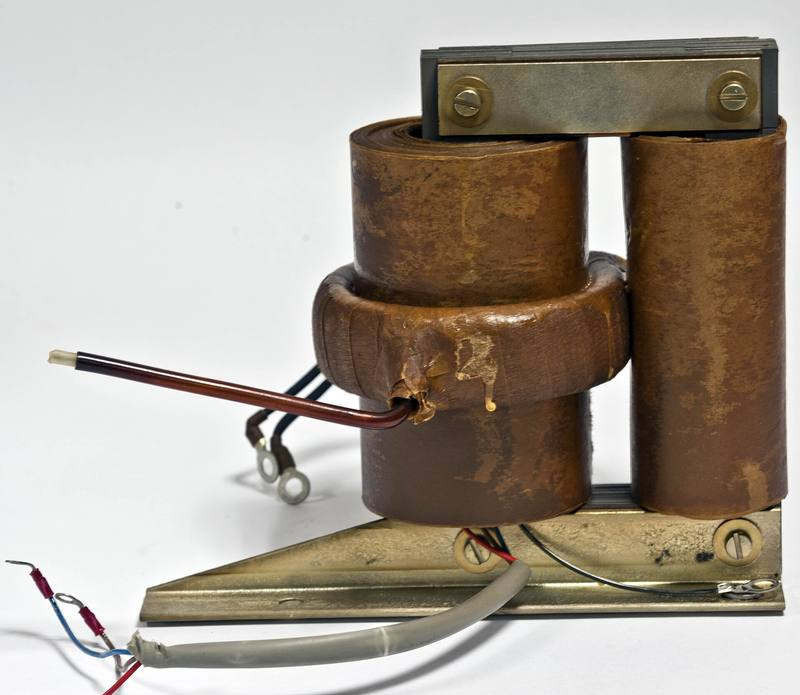
Dry-type transformers use air and solid insulation rather than a liquid-filled tank, with designs ranging from ventilated units to enclosed assemblies. Their ratings, enclosure, and exposure to heat, moisture, or dust help determine whether they merit reuse or material recovery review.
Ratings and construction
Provide the kVA, input and output voltages, phase, frequency, and enclosure or cooling information on the nameplate. A photograph of the closed unit and any available documentation can help identify the construction without disturbing it.
Installation environment
Tell us whether the transformer was located indoors, outdoors in an appropriate enclosure, or in a dusty or damp process area. Visible corrosion, soot, or water exposure can affect evaluation even when the cabinet appears complete.
Removal and handling
Record approximate dimensions and whether the transformer is on a floor, platform, or upper level. Qualified electrical personnel should isolate and disconnect it, and the lifting plan should account for the unit's actual weight and rated lifting points.
What to send with your inquiry
- Send a readable nameplate photo with kVA and voltage ratings.
- Describe the installation environment and any known damage.
- Identify stairs, elevators, door widths, or other removal restrictions.
We pay upfront and cover freight for purchased equipment. The owner and qualified personnel are responsible for a safe electrical release; any additional site work is agreed separately.